


 29°C
29°C
- Temperature
- Precipitation
- Rain Chance
- Wind
- Humidity
- Pressure



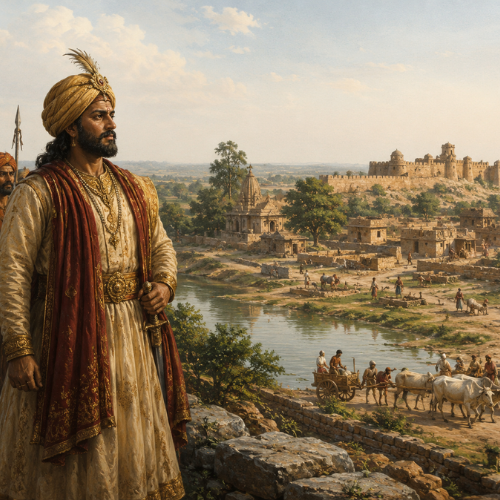
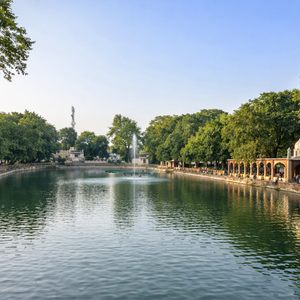
Rani Ka Talab
Rani Ka Talab, is a historic water tank that reflects the rich heritage of the city. Built during the princely era, it once served as an important source of water and a social gathering place.
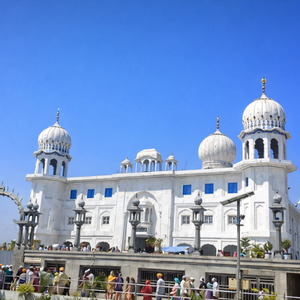
Gurudwara Panjokhra Sahib
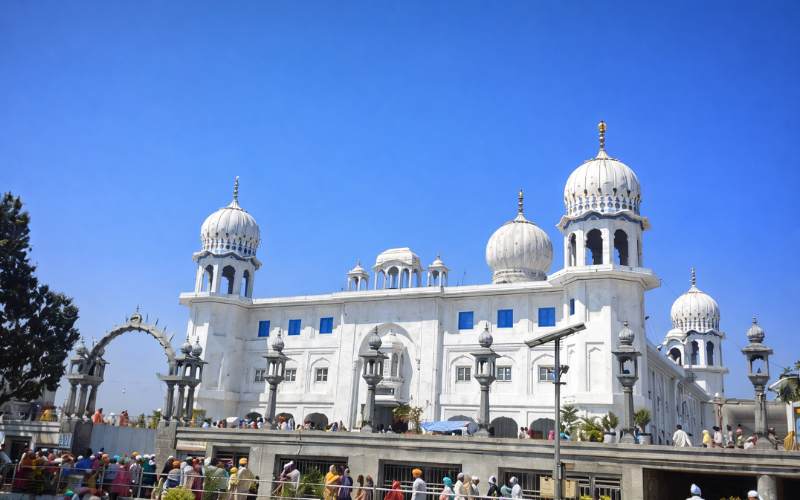
Revered Sikh pilgrimage site near Ambala, closely associated with Guru Gobind Singh Ji. It is believed that Guru Ji stayed here during his travels, blessing the place with spiritual significance.
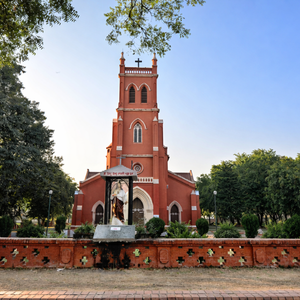
Holy Redeemer Church
Historic landmark known for its beautiful red-brick Gothic architecture and peaceful surroundings. Built during the colonial era, the church stands as a symbol of faith, heritage, and unity.
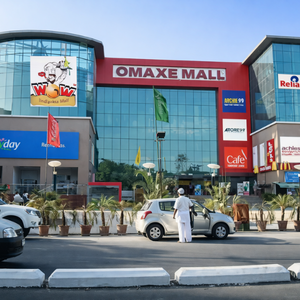
Omaxe Mall
Omaxe Mall, is a modern lifestyle destination offering a perfect blend of shopping, dining, and entertainment.
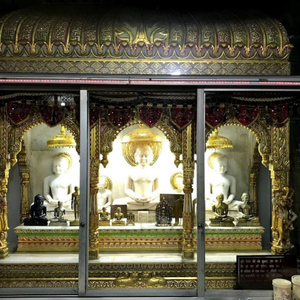
Shri Digamber Jain Mandir
Shri Digamber Jain Mandir, is a serene and sacred place of worship, reflecting the timeless principles of Jainism—ahimsa (non-violence), truth, and spiritual purity.
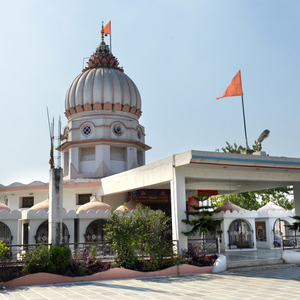
Shiv Mandir
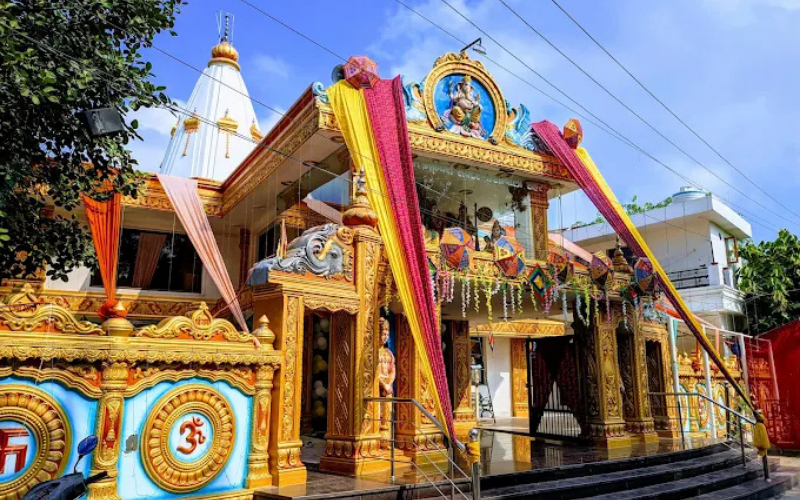
Shiv Mandir is a revered Hindu temple dedicated to Lord Shiva known for its peaceful atmosphere and spiritual significance.
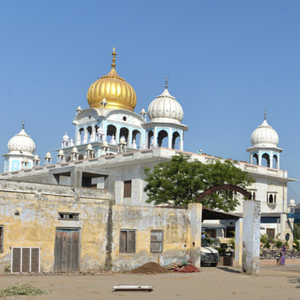
Gurudwara Sis Ganj
Gurudwara Sis Ganj, an enchanting Sikh shrine is located at a distance of about 300 meters from Gurudwara Manji Sahib. The Gurudwara is double-storied and there is an open hall inside it.
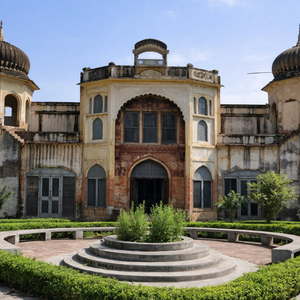
Dak Bungalow
Queen Victoria also stayed in Dak Bungalow in 1902, during her official visit to Ambala. The building is flanked by domed corners and illustrates Muslim architecture. Later, it was converted into a library.
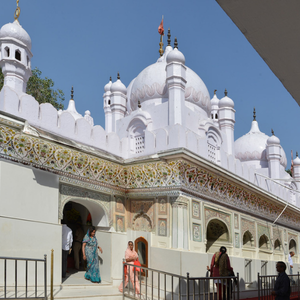
Kali Mata Temple
This temple is situated near Rambagh or cremation ground of Ambala and has 6-feet tall statue of Kali Mata installed here.