
Ambala

Generic selectors
Exact matches only
Search in title
Search in content
Post Type Selectors
Generic selectors
Exact matches only
Search in title
Search in content
Post Type Selectors

Technology

news10

Singapore is using a 140-year-old cooling technique to combat extreme heat.

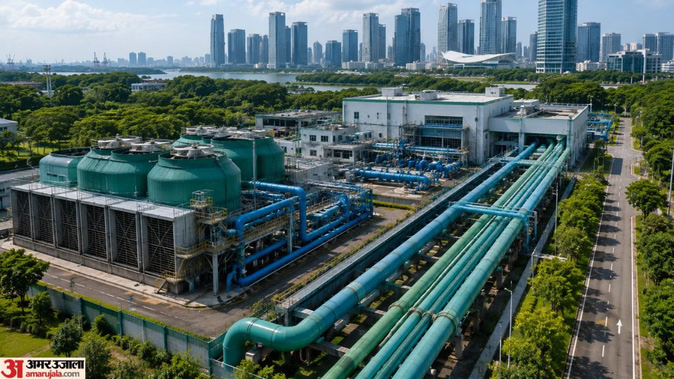
Can a 140-year-old technology provide relief from today’s scorching heat? Singapore, the world’s second-richest country, has achieved just that. Learn more about the unique ‘district cooling’ technology, which uses underground pipelines to cool buildings instead of bulky air conditioners. Just imagine, the sun is scorching outside, yet the walls and rooms of your home remain cool without any air conditioning. This isn’t a fairy tale, but the reality of Singapore, the world’s second-richest country. Singapore has the highest per capita use of air conditioners in the Asia-Pacific region. While air conditioning may provide relief, it also emits massive amounts of greenhouse gases, making it a suicide mission for Singapore, which is heating at twice the global average. To break this vicious cycle, Singapore has laid a five-kilometer network of underground pipelines in its Pungol neighborhood. This network is keeping buildings cool, resulting in significant energy savings. Known as “district cooling,” this system cools water at a large, central plant. This chilled water is then delivered to individual buildings through underground pipelines, where it absorbs the hot air inside, cooling the rooms. After absorbing the heat, the water returns to the plant, where it is re-cooled and reused. This isn’t a new invention; the concept dates back more than a century. According to academic research, the first such district cooling system, using ammonia or salt water, was developed in Denver, Colorado, in 1889. Temperatures in Singapore are rising at twice the global average. This is why Singapore leads the Asia-Pacific region in per capita AC usage. However, excessive AC use increases electricity demand and greenhouse gas emissions, creating a vicious cycle of heat. Despite saving electricity and benefiting the environment, this technology has some major limitations. District cooling systems require a large amount of water to run smoothly. At a time when data centers are expanding worldwide and water scarcity is becoming a serious global concern, this massive water consumption could prove to be a major challenge in the future.

Singapore is using a 140-year-old cooling technique to combat extreme heat. Read More »

news07

Never do this on an induction stove—it may damage the appliance!

To ease the rising cost of gas cylinders, people are increasingly turning to induction cooktops. While it’s a smart and fast cooking method, being an electronic gadget requires careful use. Let’s explore the important precautions for using an induction cooktop. Nowadays, the rising price of LPG cylinders has strained everyone’s budget. As a result, many people are turning to induction cooktops as a smart and cost-effective option. This is a great kitchen technology that makes cooking easier and faster. Not all types of cookware work on induction cookers. It uses magnetic field technology, so avoid using aluminum, copper, or glass cookware. Always use flat-bottomed steel or iron cookware that is labeled “induction base.” Although this is a kitchen gadget, it still runs on electricity. Touching the button or plug with wet hands can cause electric shock. Always make sure your hands are dry when using it. Induction cooktops typically draw a high power output of 1500W to 2000W. Never plug them into a flimsy or loose extension cord. Always use a heavy-duty 15 or 16 amp power plug to avoid the risk of short circuits or sparking. During cooking, the glass surface of an induction cooker becomes very hot due to the heat of the pot. Young children may touch it while playing. Therefore, unplug the cooker after use and keep it away from children. This is a very common mistake. Never leave an induction cooker on with an empty pot on it. This can cause overheating, which can burn the pot and even damage the motherboard or sensors inside the induction cooker.

Never do this on an induction stove—it may damage the appliance! Read More »

news02

Digital Fraud: Old Scams, New Tricks — As digital payments grow, so do cyber fraud risks.

With the rise of digital payments in India, cyber fraud cases are increasing rapidly. New methods like digital arrests, fake KYC, and investment scams are defrauding people of millions and even crores of rupees. The RBI has also launched new digital tools for security. It was around eight o’clock at night. Kanchan Shukla, a retired teacher from Lucknow, received a call on her mobile phone. “Your digital census data has been updated. Only one final verification is pending. An OTP will be sent to your mobile; please share it.” The voice was so serious and professional that the elderly teacher was deceived. He shared the OTP. Within ten minutes, Rs 7.80 lakh disappeared from her bank account. India today boasts one of the world’s largest digital payment systems. Behind this brilliance lies a profound darkness. According to the Reserve Bank of India, ordinary citizens suffered a staggering ₹48,000 crore in losses due to digital and cyber fraud in the fiscal year 2025-26. In the digital world, caution is your most effective weapon. No matter how much someone threatens or tempts you, step back, hang up, and think with a cool head. Don’t be afraid, be vigilant, and keep your hard-earned money safe. If you get scammed… don’t panic. The first two hours are your greatest strength. Immediately call the bank and get your account blocked. Call the National Cyber ​​Helpline 1930. File a complaint on www.cybercrime.gov.in. Upload the transaction ID, screenshot, the fraudster’s number, and bank details. Go to the nearest cyber police station or police station.

Digital Fraud: Old Scams, New Tricks — As digital payments grow, so do cyber fraud risks. Read More »

industry

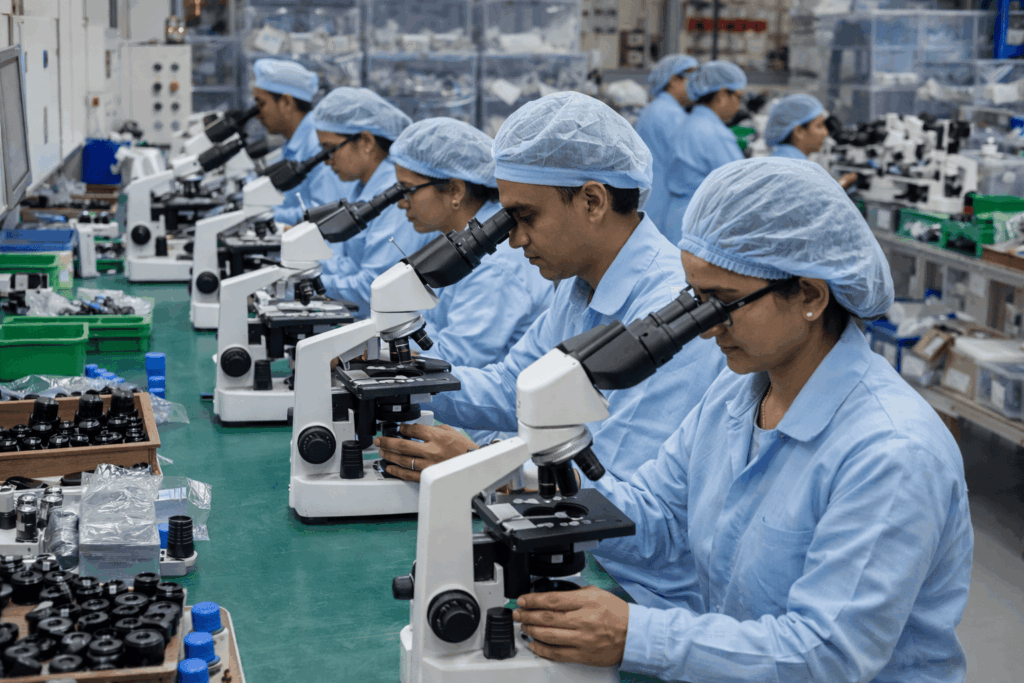
Ambala’s scientific industry seeks govt help to regain competitive edge.

Amid rapid technology upgrade, stiff competition and infrastructural bottlenecks, the scientific apparatus manufacturing industry of Ambala is seeking government’s help to regain its competitive edge. There are over 2,000 units in Ambala Cantonment engaged in the manufacturing of glassware, electronic products, educational instruments and other scientific apparatus, and has an annual turnover of over Rs 3,000 crore. The manufacturers also believe that the Ambala scientific instruments industry has lost its competitive edge due to dependence on China. Glass tubing, glassware products, microscope, fiberglass models and other products are coming from China. Back in 2022, the late Ambala MP Rattan Lal Kataria had urged the Central Government in Lok Sabha to save the industry from China. Kataria had stated “China has captured around 45 per cent business of Ambala’s scientific industry. If skilled labour is not provided and imports from China is not stopped, the Ambala industry will perish.”

Ambala’s scientific industry seeks govt help to regain competitive edge. Read More »

News
Listings
Home
Jobs
Contact